Classic Roast Turkey Flavorful and Juicy Guide

WANT TO SAVE THIS RECIPE?

Are you ready to master the art of roasting the perfect turkey? In this guide, I’ll share my favorite tips and secrets to make your Classic Roast Turkey both flavorful and juicy. You’ll learn about essential ingredients, easy step-by-step instructions, and clever tricks for achieving crispy skin. Whether it’s your first time or you’re a seasoned pro, this guide has everything you need to impress your guests and make your Thanksgiving unforgettable!

Why I Love This Recipe

  1. Flavorful Herb Butter: This recipe features a delectable herb butter that elevates the turkey with rich flavors of sage, thyme, and rosemary, making every bite a gourmet experience.
  2. Moist and Tender Meat: By using a combination of aromatics and low-sodium chicken broth, this turkey turns out incredibly moist, ensuring that every slice is juicy and satisfying.
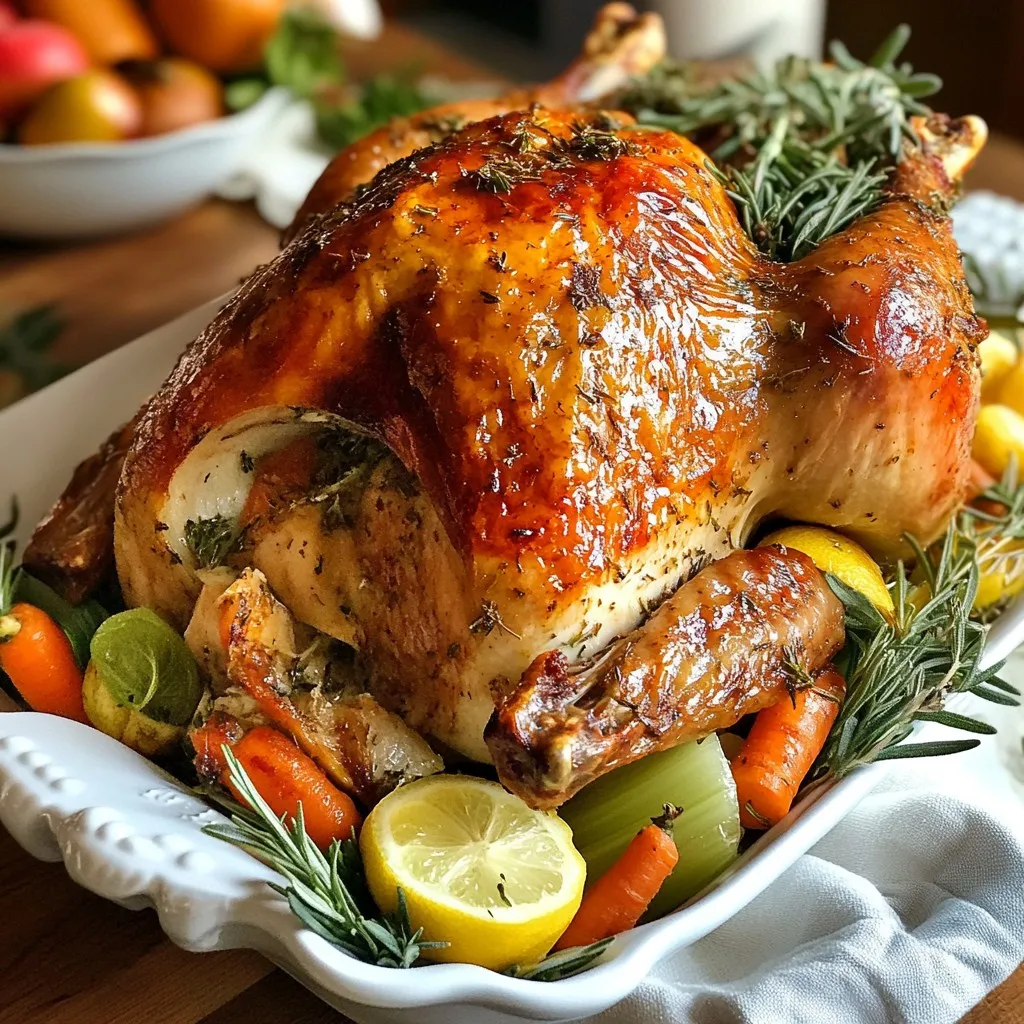
  3. Impressive Presentation: Carving and serving this beautiful roast turkey garnished with fresh herbs makes for an eye-catching centerpiece for any Thanksgiving table.
  4. Simple Instructions: With straightforward steps and accessible ingredients, this recipe is perfect for both novice cooks and seasoned chefs looking to impress their guests.

Ingredients

Full Ingredient List

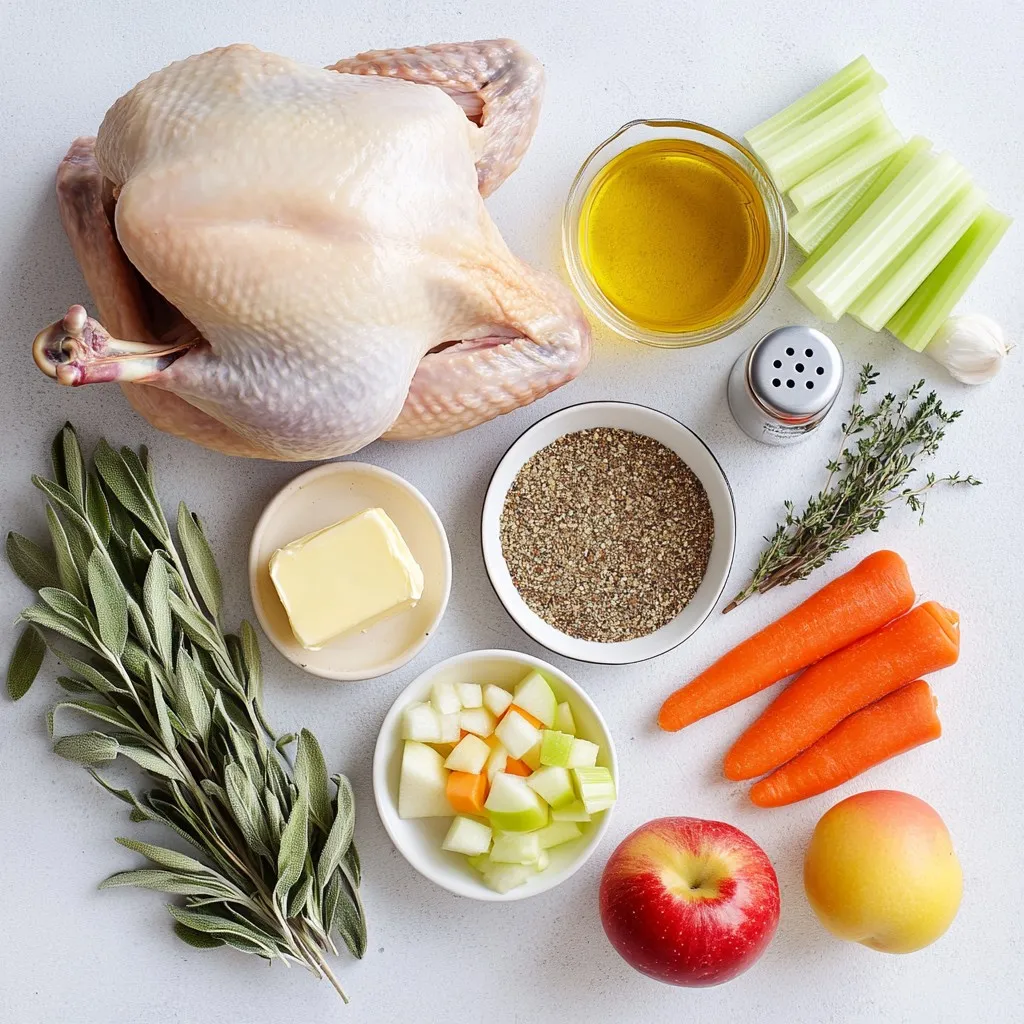
To make a classic roast turkey, you need the following ingredients:

– 1 whole turkey (12-14 pounds), fully thawed

– 1/2 cup unsalted butter, softened to room temperature

– 1 tablespoon extra virgin olive oil

– 2 tablespoons fresh sage, finely chopped

– 2 tablespoons fresh thyme, finely chopped

– 2 tablespoons fresh rosemary, finely chopped

– 1 tablespoon garlic powder

– 1 tablespoon onion powder

– Salt and freshly ground black pepper, to taste

– 4 cups low-sodium chicken broth

– 1 large onion, quartered

– 2 carrots, peeled and chopped

– 2 celery stalks, chopped

– 1 lemon, halved

– 1 apple, cored and quartered

Substitutions and Alternatives

If you cannot find an ingredient, here are some options:

– Use margarine instead of unsalted butter for the herb mixture.

– Try dried herbs if fresh ones are not available. Use one-third of the amount.

– For a different flavor, substitute chicken broth with vegetable broth.

– Any apple variety works; use your favorite for stuffing.

Quality Tips for Ingredients

Using the best ingredients makes a big difference. Here are some tips:

– Choose a fresh turkey from a local farm if possible.

– Use high-quality olive oil for richer taste.

– Fresh herbs add more flavor than dried ones.

– Ensure your butter is soft for easy mixing with herbs.

– Fresh vegetables should be firm and colorful to enhance taste.
Step-by-Step Instructions

Preheating and Preparing Your Turkey

Start by preheating your oven to 325°F (165°C). This step is key for even cooking. Next, take the turkey out of its packaging. Be sure to remove the giblets from the cavity. Pat the turkey dry with paper towels. Drying the skin helps it crisp up when roasting.

Creating the Herb Butter

To make the herb butter, gather a mixing bowl. Combine 1/2 cup of softened unsalted butter with 1 tablespoon of olive oil. Add 2 tablespoons each of chopped sage, thyme, and rosemary. Then mix in 1 tablespoon of garlic powder and 1 tablespoon of onion powder. Stir until the mixture is creamy and well blended.

Seasoning and Stuffing Techniques

Now it’s time to season the turkey. Gently loosen the skin over the breast. Create a pocket for the herb butter. Spread half of the butter mixture under the skin. Rub the rest of the butter on the turkey’s outside. Don’t forget to add salt and pepper all over. Next, stuff the cavity with quartered onion, chopped carrots, chopped celery, lemon halves, and apple quarters.

Roasting Process and Timing

Position the turkey breast-side up on a roasting rack in a large pan. Pour 4 cups of chicken broth into the bottom of the pan. This helps keep the turkey moist. Loosely cover the turkey with aluminum foil. Place it in the oven and roast for about 13-15 minutes per pound. Baste the turkey with pan juices every 45 minutes. After 2 to 2.5 hours, remove the foil. Keep roasting until the turkey’s internal temperature reaches 165°F (75°C). This may take an extra 30 to 60 minutes. Once done, let the turkey rest for at least 30 minutes before carving. This helps the juices stay in the meat, making it tender and juicy.

Tips & Tricks

Achieving Crispy Skin

To get that crispy skin, start with a dry turkey. Pat it down well with paper towels. Next, make an herb butter and rub it under the skin. Use a mix of butter and olive oil for extra crispiness. When roasting, keep the turkey uncovered for the last hour. This helps the skin turn golden brown.

Basting Techniques and Timing

Basting your turkey is key to keeping it moist. I suggest using the pan juices every 45 minutes. Start basting 1 hour after the turkey goes in the oven. Use a baster or a ladle to pour the juices over the turkey. This adds flavor and helps the skin stay crisp.

Understanding Doneness and Temperature

To check if your turkey is done, use a meat thermometer. Insert it into the thickest part of the breast. The turkey is safe to eat when it reaches 165°F (75°C). Let it rest for at least 30 minutes after roasting. This allows the juices to settle and keeps the meat juicy.

Pro Tips

  1. Resting is Key: Allow the turkey to rest for at least 30 minutes after roasting. This helps the juices redistribute throughout the meat, resulting in a more succulent and flavorful turkey.
  2. Flavor Under the Skin: For maximum flavor, spread the herb butter mixture under the skin of the turkey breast. This infuses the meat with delicious herbal notes as it cooks.
  3. Basting Matters: Baste the turkey every 45 minutes with the pan juices. This not only enhances the flavor but also helps keep the meat moist during roasting.
  4. Check the Temperature: Use a meat thermometer to ensure the turkey is cooked to perfection. Check the thickest part of the breast; it should reach an internal temperature of 165°F (75°C).

Variations

Brined vs. Non-Brined Turkey

Brining is soaking the turkey in a saltwater solution. This method adds moisture and flavor. It helps keep the meat juicy. Non-brined turkey is drier but can still be tasty. If you want a simple roast, skip the brine. For a flavorful twist, try brining the turkey overnight. Use about 1 cup of salt for every gallon of water. Let the turkey soak for at least 12 hours. Rinse and dry it before seasoning and roasting.

Flavor Combinations (Herbs and Spices)

The right herbs and spices make the turkey shine. I like to use fresh sage, thyme, and rosemary. These herbs add depth and aroma. Garlic powder and onion powder give warmth and richness. You can also try other herbs like parsley or tarragon. For a spicy kick, add chili flakes or paprika. Mix and match to find your favorite flavor combo. Don’t be afraid to experiment with different spices!

Stuffing Options

Stuffing adds flavor and moisture to your turkey. You can use traditional bread stuffing or go for something unique. Try a wild rice mix for a nutty flavor. You can also use quinoa for a gluten-free option. Add chopped fruits like apples or cranberries for sweetness. For savory notes, include sausage or nuts. Always pack stuffing loosely inside the turkey. This helps it cook evenly and keeps it moist. Remember, stuffing should reach 165°F (75°C) to be safe to eat.

Storage Info

Leftover Storage Tips

After your feast, store any turkey leftovers right away. Keep them fresh and tasty. Use airtight containers or wrap them tightly in foil. Place them in the fridge. They will stay good for about 3 to 4 days. Make sure to cool down the turkey before storing. This helps keep it safe to eat.

Reheating Methods

When you’re ready to enjoy leftovers, reheating is key. I suggest the oven for the best results. Preheat it to 325°F (165°C). Slice the turkey and place it in a baking dish. Add a splash of chicken broth to keep it moist. Cover the dish with foil to prevent drying out. Heat for about 20-30 minutes or until warm. You can also use the microwave for quick meals. Just heat in short bursts, stirring often.

Freezing the Turkey

If you want to save turkey for later, freezing works well. Cut the turkey into smaller pieces. This helps it freeze faster and thaw easier. Wrap each piece tightly in plastic wrap and then foil. Label the bags with the date. Frozen turkey can last up to 4 months. To thaw, move it to the fridge a day before you plan to eat.

FAQs

How long does it take to roast a turkey?

It takes about 13 to 15 minutes per pound to roast a turkey. For a 12-14 pound turkey, plan for around 2.5 to 4 hours. This time varies based on your oven and turkey size. Always check the internal temperature to be sure.

What is the best temperature for roasting a turkey?

Set your oven to 325°F (165°C) for roasting. This temperature cooks the turkey evenly and keeps it juicy. Lower temps can dry it out, while higher temps may burn the skin.

Can I prepare the turkey the night before?

Yes, you can prep the turkey the night before. Season it and make the herb butter. Store it in the fridge, covered tightly. This makes cooking easier on the big day and allows flavors to blend.

What’s the best way to carve the turkey?

Start by removing the legs. Cut through the joint where the leg meets the body. Next, slice down each side of the breastbone to get clean slices. Hold the turkey steady while you carve.

How do I know when the turkey is done?

Use a meat thermometer to check the thickest part of the breast. It should read 165°F (75°C). If you don’t have a thermometer, the juices should run clear, not pink. Let it rest for 30 minutes before carving for the best flavor.

You learned about key ingredients, step-by-step cooking, and smart tips for roasting a turkey. From choosing the best herbs to mastering the basting techniques, you can now create a delicious meal. Remember, each step matters, so take your time. With the right care, your turkey can be the star of your table. Use these insights to surprise your friends and family with a perfect roast. Enjoy the process and make lasting memories this holida
To make a classic roast turkey, you need the following ingredients: - 1 whole turkey (12-14 pounds), fully thawed - 1/2 cup unsalted butter, softened to room temperature - 1 tablespoon extra virgin olive oil - 2 tablespoons fresh sage, finely chopped - 2 tablespoons fresh thyme, finely chopped - 2 tablespoons fresh rosemary, finely chopped - 1 tablespoon garlic powder - 1 tablespoon onion powder - Salt and freshly ground black pepper, to taste - 4 cups low-sodium chicken broth - 1 large onion, quartered - 2 carrots, peeled and chopped - 2 celery stalks, chopped - 1 lemon, halved - 1 apple, cored and quartered If you cannot find an ingredient, here are some options: - Use margarine instead of unsalted butter for the herb mixture. - Try dried herbs if fresh ones are not available. Use one-third of the amount. - For a different flavor, substitute chicken broth with vegetable broth. - Any apple variety works; use your favorite for stuffing. Using the best ingredients makes a big difference. Here are some tips: - Choose a fresh turkey from a local farm if possible. - Use high-quality olive oil for richer taste. - Fresh herbs add more flavor than dried ones. - Ensure your butter is soft for easy mixing with herbs. - Fresh vegetables should be firm and colorful to enhance taste. {{ingredient_image_2}} Start by preheating your oven to 325°F (165°C). This step is key for even cooking. Next, take the turkey out of its packaging. Be sure to remove the giblets from the cavity. Pat the turkey dry with paper towels. Drying the skin helps it crisp up when roasting. To make the herb butter, gather a mixing bowl. Combine 1/2 cup of softened unsalted butter with 1 tablespoon of olive oil. Add 2 tablespoons each of chopped sage, thyme, and rosemary. Then mix in 1 tablespoon of garlic powder and 1 tablespoon of onion powder. Stir until the mixture is creamy and well blended. Now it’s time to season the turkey. Gently loosen the skin over the breast. Create a pocket for the herb butter. Spread half of the butter mixture under the skin. Rub the rest of the butter on the turkey’s outside. Don’t forget to add salt and pepper all over. Next, stuff the cavity with quartered onion, chopped carrots, chopped celery, lemon halves, and apple quarters. Position the turkey breast-side up on a roasting rack in a large pan. Pour 4 cups of chicken broth into the bottom of the pan. This helps keep the turkey moist. Loosely cover the turkey with aluminum foil. Place it in the oven and roast for about 13-15 minutes per pound. Baste the turkey with pan juices every 45 minutes. After 2 to 2.5 hours, remove the foil. Keep roasting until the turkey's internal temperature reaches 165°F (75°C). This may take an extra 30 to 60 minutes. Once done, let the turkey rest for at least 30 minutes before carving. This helps the juices stay in the meat, making it tender and juicy. To get that crispy skin, start with a dry turkey. Pat it down well with paper towels. Next, make an herb butter and rub it under the skin. Use a mix of butter and olive oil for extra crispiness. When roasting, keep the turkey uncovered for the last hour. This helps the skin turn golden brown. Basting your turkey is key to keeping it moist. I suggest using the pan juices every 45 minutes. Start basting 1 hour after the turkey goes in the oven. Use a baster or a ladle to pour the juices over the turkey. This adds flavor and helps the skin stay crisp. To check if your turkey is done, use a meat thermometer. Insert it into the thickest part of the breast. The turkey is safe to eat when it reaches 165°F (75°C). Let it rest for at least 30 minutes after roasting. This allows the juices to settle and keeps the meat juicy. Pro Tips Resting is Key: Allow the turkey to rest for at least 30 minutes after roasting. This helps the juices redistribute throughout the meat, resulting in a more succulent and flavorful turkey. Flavor Under the Skin: For maximum flavor, spread the herb butter mixture under the skin of the turkey breast. This infuses the meat with delicious herbal notes as it cooks. Basting Matters: Baste the turkey every 45 minutes with the pan juices. This not only enhances the flavor but also helps keep the meat moist during roasting. Check the Temperature: Use a meat thermometer to ensure the turkey is cooked to perfection. Check the thickest part of the breast; it should reach an internal temperature of 165°F (75°C). {{image_4}} Brining is soaking the turkey in a saltwater solution. This method adds moisture and flavor. It helps keep the meat juicy. Non-brined turkey is drier but can still be tasty. If you want a simple roast, skip the brine. For a flavorful twist, try brining the turkey overnight. Use about 1 cup of salt for every gallon of water. Let the turkey soak for at least 12 hours. Rinse and dry it before seasoning and roasting. The right herbs and spices make the turkey shine. I like to use fresh sage, thyme, and rosemary. These herbs add depth and aroma. Garlic powder and onion powder give warmth and richness. You can also try other herbs like parsley or tarragon. For a spicy kick, add chili flakes or paprika. Mix and match to find your favorite flavor combo. Don't be afraid to experiment with different spices! Stuffing adds flavor and moisture to your turkey. You can use traditional bread stuffing or go for something unique. Try a wild rice mix for a nutty flavor. You can also use quinoa for a gluten-free option. Add chopped fruits like apples or cranberries for sweetness. For savory notes, include sausage or nuts. Always pack stuffing loosely inside the turkey. This helps it cook evenly and keeps it moist. Remember, stuffing should reach 165°F (75°C) to be safe to eat. After your feast, store any turkey leftovers right away. Keep them fresh and tasty. Use airtight containers or wrap them tightly in foil. Place them in the fridge. They will stay good for about 3 to 4 days. Make sure to cool down the turkey before storing. This helps keep it safe to eat. When you're ready to enjoy leftovers, reheating is key. I suggest the oven for the best results. Preheat it to 325°F (165°C). Slice the turkey and place it in a baking dish. Add a splash of chicken broth to keep it moist. Cover the dish with foil to prevent drying out. Heat for about 20-30 minutes or until warm. You can also use the microwave for quick meals. Just heat in short bursts, stirring often. If you want to save turkey for later, freezing works well. Cut the turkey into smaller pieces. This helps it freeze faster and thaw easier. Wrap each piece tightly in plastic wrap and then foil. Label the bags with the date. Frozen turkey can last up to 4 months. To thaw, move it to the fridge a day before you plan to eat. It takes about 13 to 15 minutes per pound to roast a turkey. For a 12-14 pound turkey, plan for around 2.5 to 4 hours. This time varies based on your oven and turkey size. Always check the internal temperature to be sure. Set your oven to 325°F (165°C) for roasting. This temperature cooks the turkey evenly and keeps it juicy. Lower temps can dry it out, while higher temps may burn the skin. Yes, you can prep the turkey the night before. Season it and make the herb butter. Store it in the fridge, covered tightly. This makes cooking easier on the big day and allows flavors to blend. Start by removing the legs. Cut through the joint where the leg meets the body. Next, slice down each side of the breastbone to get clean slices. Hold the turkey steady while you carve. Use a meat thermometer to check the thickest part of the breast. It should read 165°F (75°C). If you don’t have a thermometer, the juices should run clear, not pink. Let it rest for 30 minutes before carving for the best flavor. You learned about key ingredients, step-by-step cooking, and smart tips for roasting a turkey. From choosing the best herbs to mastering the basting techniques, you can now create a delicious meal. Remember, each step matters, so take your time. With the right care, your turkey can be the star of your table. Use these insights to surprise your friends and family with a perfect roast. Enjoy the process and make lasting memories this holiday.

Thanksgiving Delight: Classic Roast Turkey

A traditional roast turkey recipe perfect for Thanksgiving celebrations.
Prep Time 30 minutes
Cook Time 3 hours 30 minutes
Total Time 4 hours 30 minutes
Course Main Course
Cuisine American
Servings 10

Ingredients
  

  • 1 whole turkey (12-14 pounds), fully thawed
  • 0.5 cup unsalted butter, softened to room temperature
  • 1 tablespoon extra virgin olive oil
  • 2 tablespoons fresh sage, finely chopped
  • 2 tablespoons fresh thyme, finely chopped
  • 2 tablespoons fresh rosemary, finely chopped
  • 1 tablespoon garlic powder
  • 1 tablespoon onion powder
  • to taste salt and freshly ground black pepper
  • 4 cups low-sodium chicken broth
  • 1 large onion, quartered
  • 2 carrots, peeled and chopped
  • 2 celery stalks, chopped
  • 1 lemon, halved
  • 1 apple, cored and quartered

Instructions
 

  • Preheat your oven to 325°F (165°C).
  • Remove the turkey from its packaging and take out the giblets from the cavity. Pat the turkey dry with paper towels inside and out.
  • In a mixing bowl, combine the softened butter with olive oil, chopped sage, thyme, rosemary, garlic powder, and onion powder until well blended.
  • Loosen the skin over the turkey breast and spread half of the herb butter mixture under the skin. Rub the remaining herb butter over the exterior of the turkey and season with salt and pepper.
  • Fill the cavity of the turkey with the quartered onion, chopped carrots, chopped celery, lemon halves, and apple quarters.
  • Position the turkey breast-side up on a roasting rack in a large roasting pan. Pour the chicken broth into the bottom of the pan.
  • Loosely cover the turkey with aluminum foil and roast in the preheated oven, estimating 13-15 minutes per pound. Baste the turkey with pan juices every 45 minutes.
  • After 2 to 2.5 hours, remove the foil and continue roasting until the internal temperature reaches 165°F (75°C).
  • Once cooked, remove the turkey from the oven and let it rest for at least 30 minutes before carving.
  • Carve the turkey into slices and serve alongside your favorite sides.

Notes

Allow the turkey to rest before carving for better flavor and texture.
Keyword roast, Thanksgiving, turkey

WANT TO SAVE THIS RECIPE?

Leave a Comment

Recipe Rating