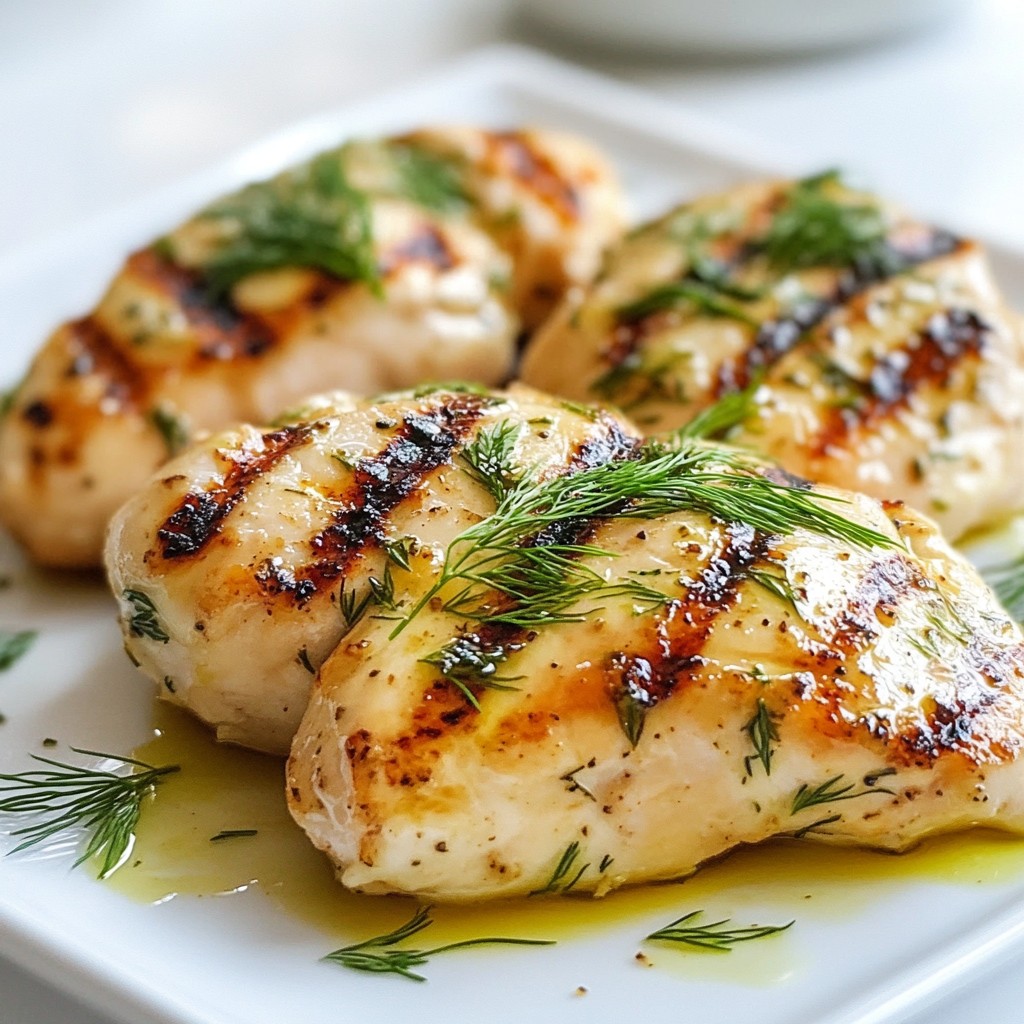
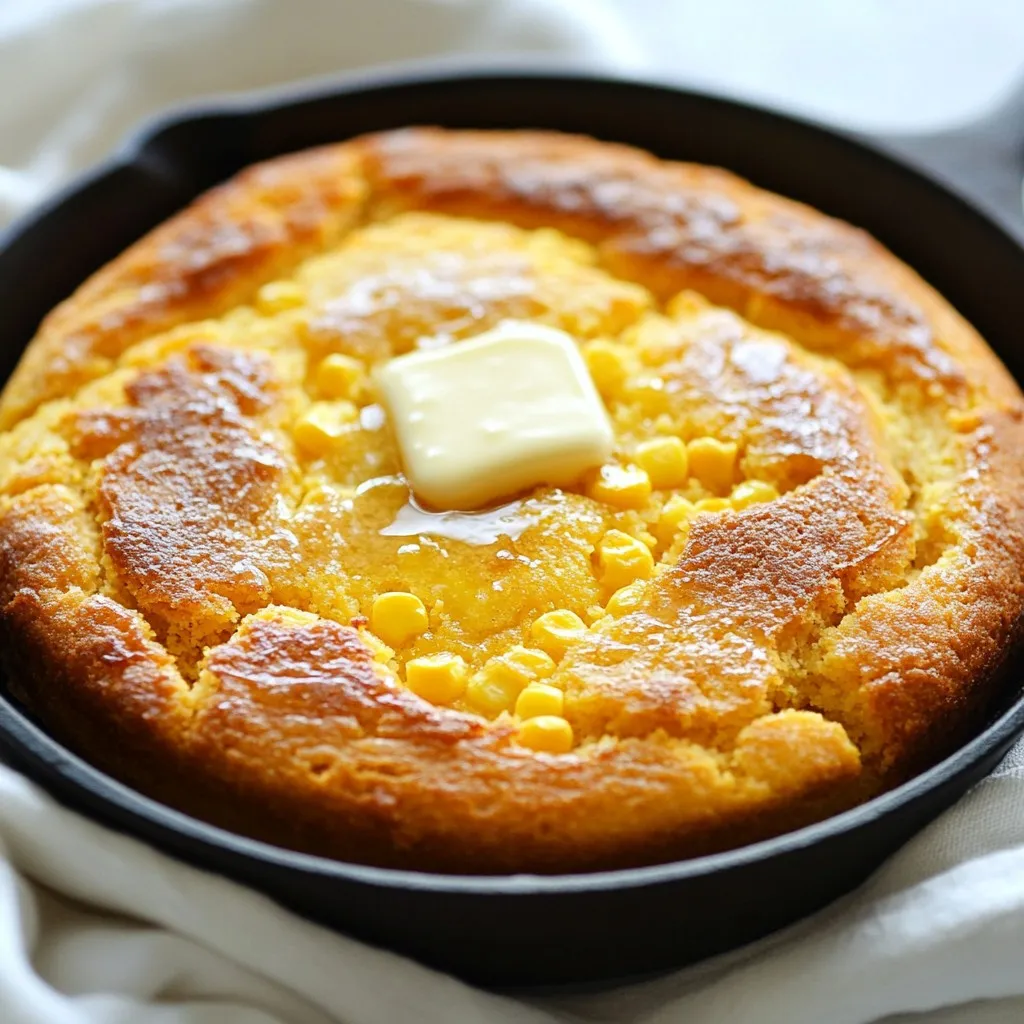
Dive into the heart of Southern cooking with my easy guide to flavorful cornbread! This classic dish combines simple ingredients like cornmeal and buttermilk to create a perfect side for any meal. I’ll share tips for making it moist and tender, plus variations for your taste. Whether you’re a seasoned cook or a beginner, this cornbread recipe will impress. Let’s get started on making your kitchen smell amazing!
Why I Love This Recipe
- Sweet and Savory Balance: This cornbread strikes the perfect balance between sweetness and savory flavors, making it a delightful accompaniment to any meal.
- Easy to Make: The recipe comes together quickly, with minimal prep time, making it perfect for both novice and experienced bakers.
- Versatile: Serve it as a side dish, breakfast treat, or a snack; this cornbread adapts to any occasion or topping you desire.
- Comfort Food: There’s something incredibly comforting about warm cornbread fresh from the oven, especially when slathered with butter.
Ingredients
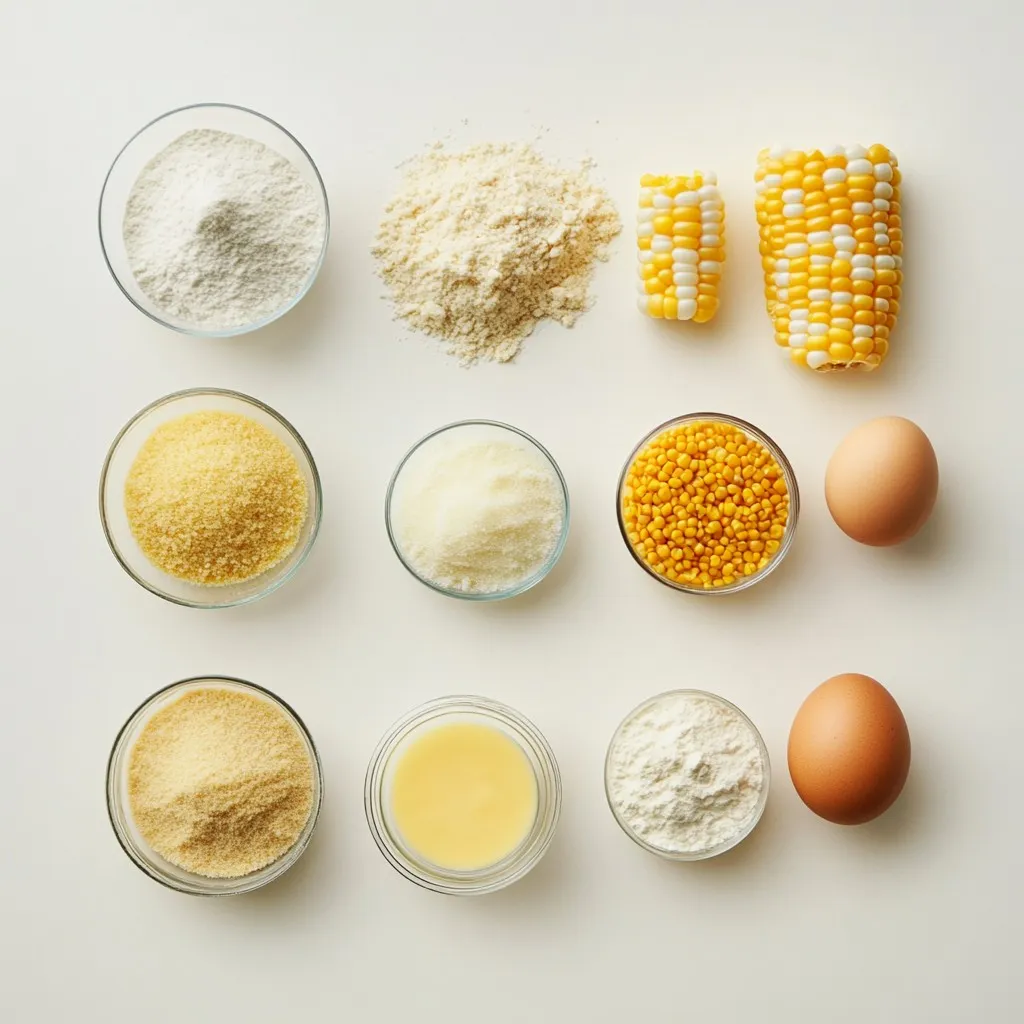
List of Ingredients
– 1 cup cornmeal
– 1 cup all-purpose flour
– 1/4 cup granulated sugar
– 1 tablespoon baking powder
– 1/2 teaspoon salt
– 1 cup buttermilk
– 2 large eggs
– 1/4 cup unsalted butter, melted
– 1/2 cup corn kernels
– 1/4 teaspoon cayenne pepper (optional)
Ingredient Substitutions
You can swap buttermilk with regular milk. Just mix 1 cup of milk with 1 tablespoon of vinegar. This will mimic the tangy taste. If you need gluten-free cornbread, use a gluten-free flour blend. For sugar, you can use honey or maple syrup. Adjust to your taste.
Fresh vs. Frozen Corn
Fresh corn adds a sweet crunch to your cornbread. To prepare fresh corn, just cut it off the cob. If using frozen corn, it’s easy! Just thaw it and drain any excess water. Both options work well, so choose what you like best.
Step-by-Step Instructions
Preheat the Oven
Set your oven to 400°F (200°C). This high heat helps the cornbread cook evenly. Prepare a 9-inch square baking dish or a cast-iron skillet. Grease it well to prevent sticking. Place the dish in the oven to warm while you make the batter.
Mixing Dry Ingredients
In a large bowl, combine 1 cup of cornmeal, 1 cup of all-purpose flour, and 1/4 cup of sugar. Add 1 tablespoon of baking powder and 1/2 teaspoon of salt. If you like spice, add 1/4 teaspoon of cayenne pepper. Whisk these together well. This step ensures even mixing, which helps the cornbread rise properly.
Incorporating Wet Ingredients
In a separate bowl, mix 1 cup of buttermilk, 2 large eggs, and 1/4 cup of melted butter. Whisk until the mixture is smooth. This helps the eggs and butter blend with the buttermilk. A smooth mixture helps make a light and fluffy cornbread.
Combining Wet and Dry Mixtures
Pour the wet mixture into the dry ingredients. Use a spatula or wooden spoon to stir gently. Mix until just combined. Do not overmix. A little lumpiness in the batter is okay. It keeps the cornbread tender and moist.
Adding Corn
Gently fold in 1/2 cup of corn kernels. You can use fresh or frozen corn. Make sure the corn is evenly spread in the batter. If you want extra texture, you can add cheese or diced jalapeños at this stage.
Baking & Cooling
Carefully take the hot dish from the oven. Pour the batter into the dish, spreading it evenly. Bake for 20-25 minutes. The top should be golden brown. Insert a toothpick in the center; it should come out clean. Let the cornbread cool in the dish for about 5 minutes. Cut it into squares and serve warm for the best taste.
Tips & Tricks
Achieving the Perfect Texture
To get soft cornbread, avoid overmixing. You want little lumps in the batter. This keeps the bread light and fluffy. Mix just until the dry and wet ingredients blend. If you stir too much, it can turn dense. Remember, gentle hands make great cornbread.
For tenderness, use room temperature ingredients. Cold eggs or buttermilk can make mixing harder. Allow them to sit out for about 30 minutes before use. This small step helps create a moist, tender texture.
Flavor Enhancements
Want to spice things up? Add a pinch of cayenne pepper. It gives your cornbread a nice kick without being too hot. You can also try paprika or chili powder for a different twist. These spices add warmth and depth to the flavor.
Herbs can elevate cornbread, too. Chives, rosemary, or thyme work well. Just chop them finely and fold them in with the corn. Fresh herbs bring a bright taste and smell that pairs nicely with the corn.
Equipment Recommendations
A good baking dish makes a big difference. I recommend using a cast iron skillet. It heats evenly and gives a nice crispy edge. Plus, it adds a rustic charm to your table.
If you don’t have a skillet, a 9-inch square baking pan works great. Make sure to grease it well so the cornbread comes out easily. Preheating the dish helps create that perfect golden crust.
Pro Tips
- Use Fresh Corn: If possible, use fresh corn kernels for a sweeter, more vibrant flavor. Frozen corn works well too, but fresh adds a delightful crunch.
- Don’t Overmix: To achieve a tender cornbread, mix the wet and dry ingredients until just combined. A few lumps are okay; they’ll bake out during cooking.
- Check for Doneness: Besides the toothpick test, look for a golden-brown top and a slightly firm texture. This ensures your cornbread is cooked through without being dry.
- Serve Warm: Cornbread is best enjoyed warm. Serve it straight from the oven or skillet, and consider adding a pat of butter for extra richness.
Variations
Sweet vs. Savory Cornbread
Sweet cornbread uses more sugar and often includes corn kernels. The sweetness pairs well with chili or barbecue. Savory cornbread has less sugar and can include cheese or herbs. Each type fits well in different meals. In the South, sweet cornbread is popular, while other regions prefer savory styles. This reflects cultural tastes and meal traditions.
Spicy Cornbread Options
Want to spice it up? You can add jalapeños or other peppers to your mix. They give cornbread a nice kick and make it exciting. You can also adjust the cayenne pepper. A little adds warmth, while more brings heat. Be careful not to overdo it! Start small and taste as you go.
Additional Add-Ins
Cornbread is so versatile! Consider adding cheese for creaminess or bacon for a savory touch. You can also mix in seasonal veggies like zucchini or bell peppers. These add color and flavor to your dish. Get creative! Each change makes your cornbread unique and fun to eat.
Storage Info
Best Practices for Storing Cornbread
Store your cornbread properly to keep it fresh. If you plan to eat it within two days, keep it at room temperature. Use a clean kitchen towel to cover the cornbread. This method helps retain moisture and keeps it soft. If you need to store it longer, place it in the fridge. Wrap it tightly in plastic wrap or foil to prevent drying.
Reheating Instructions
You can reheat cornbread in the oven or the microwave. To reheat in the oven, preheat it to 350°F (175°C). Place the cornbread on a baking sheet and cover it with foil. Heat for about 10-15 minutes until warm. If using the microwave, place a piece of cornbread on a plate. Heat it for about 30 seconds or until warm. To avoid drying out, add a small cup of water in the microwave. This will help keep the cornbread moist.
Freezing Cornbread
Freezing cornbread is simple and effective. First, let it cool completely. Then, wrap each piece tightly in plastic wrap. Place the wrapped pieces in a freezer bag. Label the bag with the date. To thaw, remove the cornbread from the freezer. Let it sit in the fridge overnight. You can also thaw it on the counter for a few hours. After thawing, reheat it using the oven or microwave to restore its flavor.
FAQs
What is the difference between Southern cornbread and Northern cornbread?
Southern cornbread uses less sugar and more cornmeal. It has a denser, crumbly texture. Northern cornbread is sweeter and lighter, often made with more flour. The classic Southern version often skips eggs, making it heartier. This style pairs well with savory dishes like chili or greens.
Can I use regular milk instead of buttermilk?
Yes, you can use regular milk. If you do not have buttermilk, mix 1 cup of milk with 1 tablespoon of vinegar. Let it sit for about 5 minutes. This mixture will mimic buttermilk’s tangy flavor and acidity, ensuring the cornbread rises well.
How do I make cornbread from scratch without baking powder?
To make cornbread without baking powder, use baking soda with an acid. You can mix 1/2 teaspoon of baking soda with 1 cup of buttermilk. This will help the cornbread rise. Make sure to combine it well to avoid lumps in your batter.
What are the best side dishes to serve with cornbread?
Cornbread pairs well with many dishes. Here are a few favorites:
– Chili
– Collard greens
– Fried chicken
– Barbecue ribs
– Vegetable soup
These dishes complement cornbread’s flavor and texture, making for a hearty meal.
How can I adjust the recipe for a larger or smaller batch?
To adjust the recipe, simply scale the ingredients up or down. For a larger batch, double everything. For a smaller batch, halve the ingredients. Keep the baking time in mind. A larger batch will need more time, and a smaller batch will cook faster. Always check for doneness with a toothpick.
This guide covered everything you need to make great cornbread. We went over the key ingredients, step-by-step instructions, and tips for the best texture. You can add your favorite flavors or use different ingredients. Remember, the right tools matter, too. Storing and reheating cornbread properly keeps it fresh. So, enjoy baking your cornbread and make it your own! This versatile dish will surely please everyone at your tabl