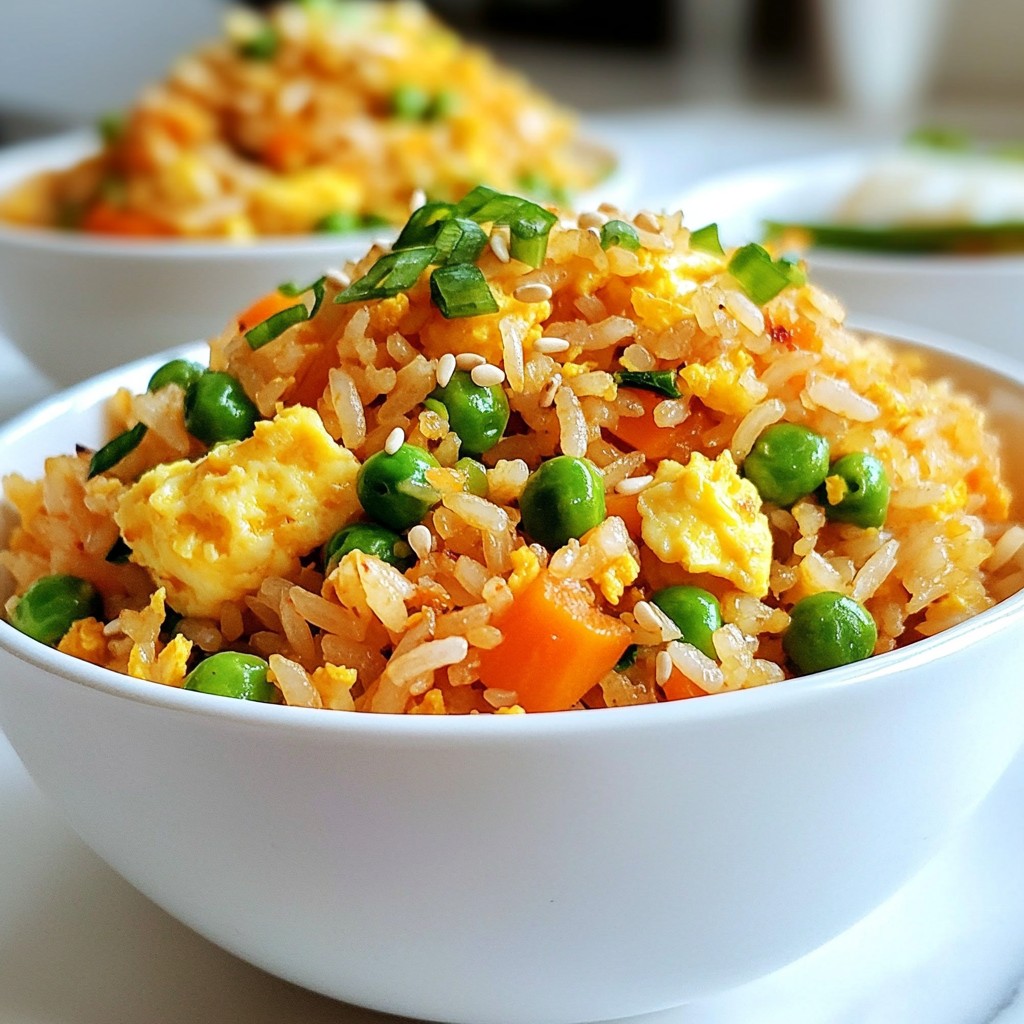
If you're craving a simple yet bold meal, spicy kimchi fried rice is your answer! This dish is packed with flavor and easy to whip up. I'll guide you through selecting the best ingredients, mastering the stir-fry technique, and exploring fun variations. Get ready to elevate your cooking skills and delight your taste buds. Let’s dive into this spicy culinary adventure!
Why I Love This Recipe
- Quick and Easy: This dish comes together in just 20 minutes, making it a perfect weeknight meal or a quick lunch option.
- Flavor Packed: The combination of kimchi, gochujang, and sesame oil creates a deliciously bold flavor profile that will satisfy your taste buds.
- Customizable: You can easily modify this recipe by adding your favorite vegetables or proteins, making it versatile for any dietary preferences.
- Leftover Friendly: This recipe is a fantastic way to use up leftover rice and kimchi, reducing food waste while creating a tasty meal.
Ingredients
Essential Ingredients for Spicy Kimchi Fried Rice
To make a great spicy kimchi fried rice, you need a few key items:
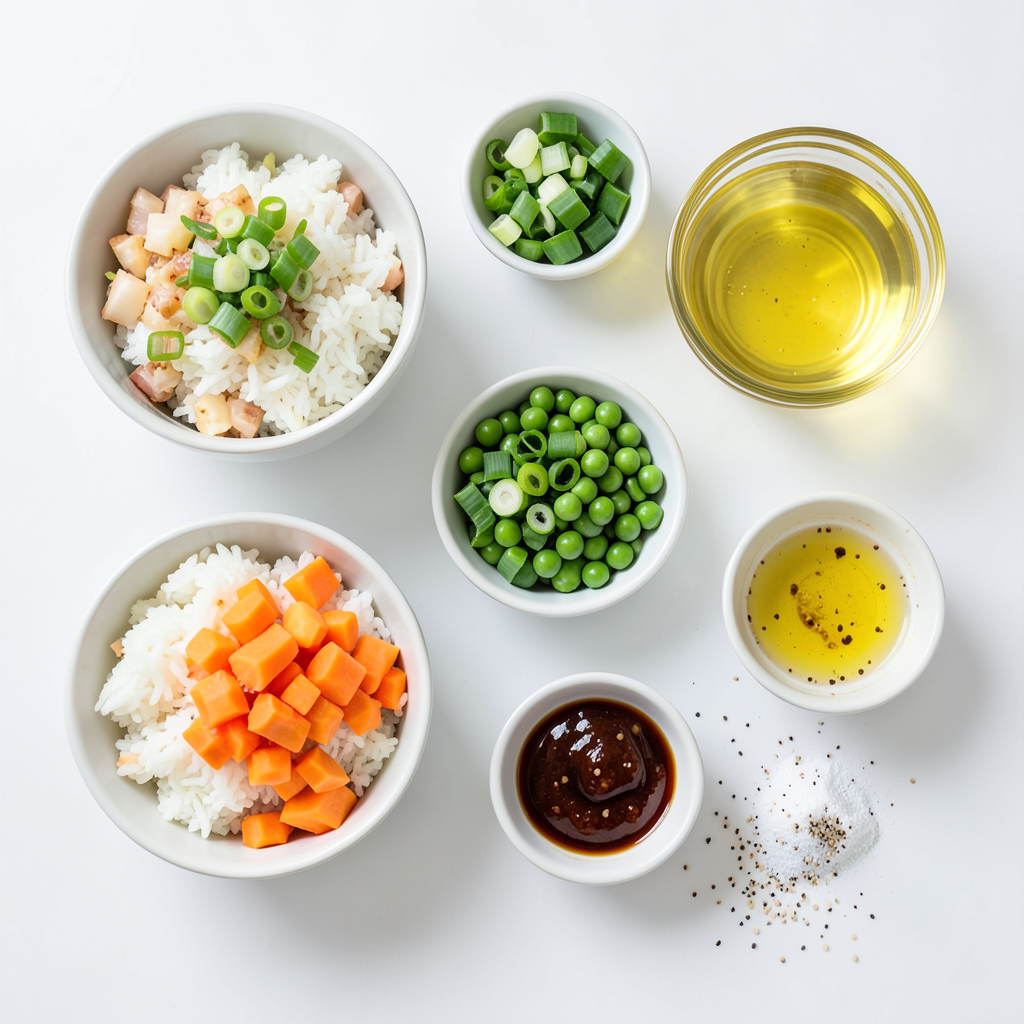
- 2 cups of cooked rice (preferably leftover and refrigerated overnight for the best texture)
- 1 cup of kimchi, finely chopped for even distribution
- 1/2 cup of green onions, thinly sliced
- 1/2 cup of frozen peas and carrots (or fresh ones, finely diced, for extra crispness)
- 2 tablespoons of soy sauce (adjust according to taste)
- 1 tablespoon of sesame oil for flavor enhancement
- 1 tablespoon of gochujang (Korean chili paste) for a spicy kick
- 2 large eggs, lightly beaten
- 1 tablespoon of vegetable oil (for frying)
- Salt and black pepper to taste
- Sesame seeds for garnish
These ingredients create a tasty mix of flavors that I love in this dish.
Optional ingredients for extra flavor
For a twist, you can add some optional ingredients:
- Diced bell peppers for crunch
- Cooked meat like chicken or pork for protein
- A splash of rice vinegar for tanginess
These extras can boost flavor and make the dish your own.
Notes on ingredient quality and types
Using good-quality ingredients makes a big difference.
- Kimchi: Choose a fresh, crunchy kimchi for the best taste.
- Rice: Day-old rice works best. It is dryer and stir-fries well.
- Vegetables: Fresh veggies add more texture. Frozen can save time.
Selecting the right ingredients will enhance your dish and make it truly delicious.
Step-by-Step Instructions
Preparation Steps for Cooking
1. Start with cooked rice. Leftover rice works best. It should be cold and firm.
2. Chop your kimchi into small pieces. This helps spread the flavor evenly.
3. Slice the green onions thinly for a fresh taste. Set these aside for later.
4. If using frozen peas and carrots, you can measure them now. Fresh ones work too.
Stir-frying Techniques for Best Results
1. Heat a large skillet or wok over medium-high heat. Add vegetable oil until it shimmers.
2. Add the chopped kimchi first. Stir-fry it for about 2 minutes. Let it soften and caramelize.
3. Push the kimchi to one side of the skillet. Pour in your beaten eggs.
4. Scramble the eggs until fully cooked, about 1-2 minutes. Mix them with the kimchi.
5. Add the cold rice to the pan. Use a spatula to break up clumps.
Tips on Timing and Cooking Temperature
1. Once the rice is added, stir in soy sauce, sesame oil, and gochujang.
2. Toss in peas and carrots, cooking everything for 5-7 minutes. Stir often to avoid sticking.
3. Keep the heat high to get that crispy bottom layer.
4. Finally, fold in the green onions. Season with salt and black pepper to taste.
5. Serve hot and sprinkle sesame seeds for a crunchy finish.
Tips & Tricks
Best Rice to Use for Fried Rice
For fried rice, I recommend using cold, leftover rice. This rice has a firmer texture, which helps prevent clumping. The best type is short-grain or medium-grain rice. The extra starch in these varieties gives the rice a nice chew. If you don’t have leftover rice, you can make fresh rice and cool it in the fridge for at least an hour before using it.
Enhancing Spiciness: Adjusting Gochujang
Gochujang is key for flavor and heat. Start with 1 tablespoon for a mild kick. If you love heat, you can add more. Taste as you go. Mixing it well with the rice ensures an even spice level. Remember, gochujang adds sweetness too, so balance it with soy sauce if needed.
Achieving the Perfect Texture
Texture is everything in fried rice. Stir-frying the rice allows it to crisp up and develop a nice crunch. Cook it over medium-high heat for the best results. Don't rush it; let it fry for 5-7 minutes. Stir occasionally, but let it sit for a bit to achieve that crispy bottom layer. This contrast makes each bite exciting!
Pro Tips
- Use Day-Old Rice: For the best texture, use rice that has been cooked and refrigerated overnight. This helps to reduce moisture and prevents the rice from becoming mushy during cooking.
- Customize Your Spice Level: Adjust the amount of gochujang to match your spice preference. Start with a small amount and increase it gradually to find your perfect balance.
- Fresh Ingredients Matter: If possible, use fresh peas and carrots instead of frozen for a better crunch and flavor. They add a nice texture contrast to the dish.
Variations
Vegan Options for Spicy Kimchi Fried Rice
You can easily make this dish vegan. Skip the eggs and use tofu instead. Firm tofu works best. Press the tofu to remove water. Then, crumble it into the pan when you add the rice. This gives a nice texture and absorbs flavors well.
You can also add more vegetables. Try bell peppers, zucchini, or mushrooms. They add color and nutrition. Use frozen peas and carrots, or any fresh veggies you like.
Protein Additions: Chicken, Tofu, or Shrimp
If you want more protein, chicken, shrimp, or tofu are great choices. For chicken, use thin slices or small cubes. Cook it first, then add the kimchi. For shrimp, toss them in when the rice is almost done. They cook fast and add a delicious taste.
Tofu is still a great option for protein. Use the same method as before for a tasty meal.
Different Vegetable Combinations
You can mix and match vegetables based on your taste. Try corn for sweetness or spinach for greens. Broccoli adds crunch and is very healthy.
The key is to chop any fresh veggies small. This helps them cook evenly and blend into the fried rice. You can even add some pineapple for a sweet twist!
Storage Info
How to Store Leftover Fried Rice
To keep your spicy kimchi fried rice fresh, store it in an airtight container. Make sure it cools down first before you seal it. This helps prevent moisture buildup. Place the container in the fridge. It will stay good for about 3 to 4 days. If you want to enjoy it later, consider freezing it.
Reheating Tips for Optimal Taste
When reheating fried rice, I recommend using a skillet. This method helps revive the dish’s texture. Heat a little oil in the skillet over medium heat. Add the rice and stir it often. This keeps it from sticking and burning. You can also add a splash of water or soy sauce to enhance moisture.
Freezing Fried Rice: Best Practices
To freeze fried rice, first let it cool completely. Then, portion it into freezer-safe bags or containers. Remove as much air as possible before sealing. Label the bags with the date. Fried rice can last up to 3 months in the freezer. When ready to eat, thaw it overnight in the fridge before reheating.
FAQs
What is the best type of kimchi to use?
The best type of kimchi for this recipe is traditional napa cabbage kimchi. It has the right balance of spice and flavor. If you prefer milder flavors, try using white kimchi. This option skips the spice but still offers a nice crunch. Make sure to chop the kimchi finely. Smaller pieces mix well with rice and enhance the taste.
Can I make this recipe gluten-free?
Yes, you can easily make this recipe gluten-free. Simply use gluten-free soy sauce instead of regular soy sauce. Many brands offer great gluten-free options. Ensure that your gochujang is also gluten-free, as some may contain wheat. It’s a quick swap, and your fried rice will still taste amazing.
How long does homemade fried rice last in the fridge?
Homemade fried rice stays fresh for about 3 to 5 days in the fridge. Store it in an airtight container to keep it from drying out. You can also freeze it for longer storage. When ready to eat, reheat it in a pan or microwave until hot. Just make sure it’s heated evenly.
Spicy kimchi fried rice is fun and easy to make. You learned about key ingredients, cooking steps, and helpful tips. We talked about making it vegan and adding proteins. Proper storage can keep your leftovers tasty too. By following these instructions, you can enjoy this dish anytime. Remember, the right ingredients and techniques make all the difference. Happy cooking!